About Us
C‑Desk Technology is led by Dr Angela Moore and Alec Jezewski, specialists in workforce planning with more than 30 years experience designing tailored shift operations for some of the world’s largest and most complex organisations. Our work spans manufacturing, healthcare, logistics, emergency services, and multi‑site operations where precision, fairness, and reliability are essential.
We believe that effective workforce planning is about more than numbers on a spreadsheet. It is about people — their wellbeing, their families, their commitments, and their ability to thrive at work. Our mission is to help organisations create shift systems that are efficient, sustainable, and genuinely supportive of the people who keep the business running.
Our approach blends operational research, data‑driven modelling, and deep practical experience. We design shift patterns that balance productivity with fairness, and we support organisations through every stage of implementation, from initial modelling to full migration planning. Whether you are introducing a new rota, restructuring a department, or managing a large‑scale change programme, we provide clear, evidence‑based guidance that reduces risk and builds trust.
Alongside consultancy, we offer a full suite of training options — from online courses and on‑demand learning libraries to in‑person, company‑specific training days. Our programmes equip managers, planners, and operational leaders with the skills they need to run their shift systems confidently and consistently.
At the heart of our work is a simple belief: when you design work around people, everyone benefits — the organisation, the workforce, and the communities they support.



Sectors We Serve

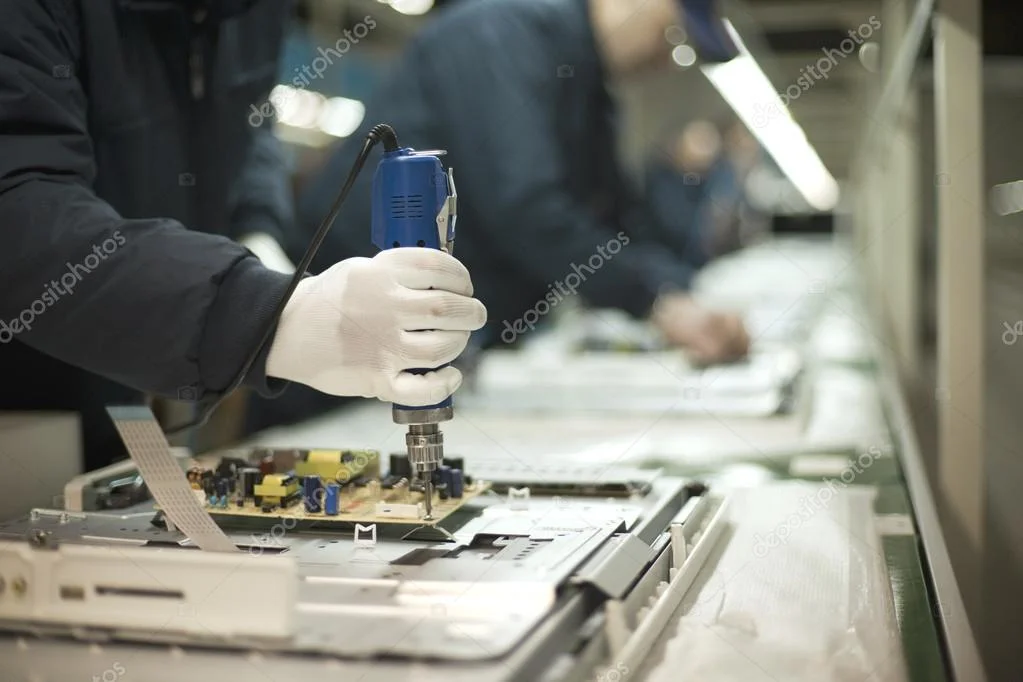


from everyday essentials to highly specialised products:
bread, beer, lager, lemonade, milk, chips, cakes, biscuits, frozen and fresh food, pet food, fruit juice, tea, newspapers, TV shows, education content, paint, paper, boxes, packaging, cement, plasterboard, chemicals, cosmetics, pharmaceuticals, monoclonal antibodies, perfume, glue, fat, seeds, tobacco, fibreglass, robotics, clothing, pyrotechnics, tyres, car parts, gas turbines, furniture, datasets, carbon, wet wipes, wallpaper, and even ejector seats.
bread, beer, lager, lemonade, milk, chips, cakes, biscuits, frozen and fresh food, pet food, fruit juice, tea, newspapers, TV shows, education content, paint, paper, boxes, packaging, cement, plasterboard, chemicals, cosmetics, pharmaceuticals, monoclonal antibodies, perfume, glue, fat, seeds, tobacco, fibreglass, robotics, clothing, pyrotechnics, tyres, car parts, gas turbines, furniture, datasets, carbon, wet wipes, wallpaper, and even ejector seats.
maintaining water, electricity and gas networks; buildings, aircraft, railways, roads, airports, mines, reservoirs, and telecoms; as well as banking services, IT services, oil supply and exploration, power stations, satellites, just‑in‑time supply chains, waste and wastewater networks, gritting operations, air freight, ATMs, and medical supply chains.
Police forces, emergency services (999), prisons, mental health institutions, diplomatic security, organised crime units, and seven universities with specialist security needs.
control centres, CCTV operations, banking security, threat intelligence teams, MSPs and MSSPs.
local authorities, national agencies, government departments, the NHS, community care, museums, ports, royal operations, and national datacentres.
labelling, QA/QC, concierge, portering, billing, travel, gold and jewellery operations, logistics, trucking, warehousing, CRM, call centres, hospitality, complaints handling, sales, acquisitions, finance and commodity exchange, and cloud platforms.
the UK, Holland, USA, Canada, Bermuda, Mexico, France, Belgium, Switzerland, India, Australia, Ireland, Sri Lanka, China, Oman, and Germany.
Our Philosophy
We believe that workforce planning is fundamentally about people. Behind every shift pattern is a team with families, responsibilities, ambitions, and limits and when those needs are respected, organisations thrive. A good rota is not just a timetable; it is a framework that protects wellbeing, supports fairness, and enables people to do their best work.
We design shift systems that balance operational demand with human reality. Fairness, transparency, and fatigue‑aware design are at the heart of everything we do, because when work is designed around people, everyone benefits: the organisation, the workforce, and the communities they serve.
Our Approach
Our approach combines operational research, data‑driven modelling, and deep practical experience to create shift systems that work in the real world. We begin by understanding your workload, demand profile, and operational pressures, then translate that into a fair and sustainable pattern using the principles outlined in our Shift Pattern Design Expertise.
From there, we build the rota itself: shaping shifts, rotations, and staffing levels using the structured process described in How to Create a Shift Pattern. Every design is tailored to your organisation, your people, and your operational goals.
We also ensure that annual leave is managed fairly and predictably, using the models explained in our Holiday Management for Shift Patterns guide. This helps organisations avoid the common pitfalls of uneven leave distribution, peak‑season shortages, and hidden fatigue risks.
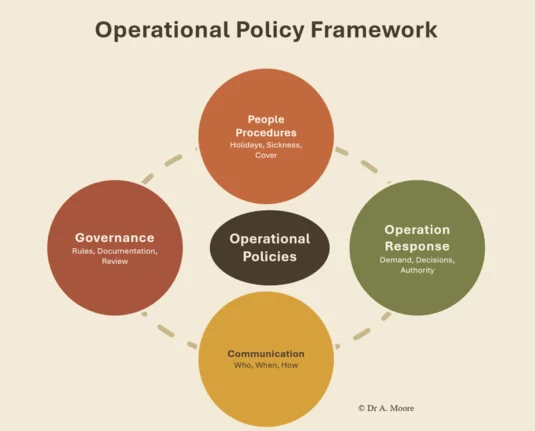
Finally, we support you in building the operational foundations that make a shift system work day‑to‑day. Our Operational Policy Framework sets out the rules, processes, and safeguards that keep your rota fair, consistent, and resilient long after implementation.
Together, these elements form a clear, evidence‑based approach that reduces risk, builds trust, and creates shift systems that support both operational performance and human wellbeing.


🌍 Working Across International Laws and Global Teams
When organisations operate across borders, they often aim to create a seamless global operation — teams in different countries handing over work smoothly, sharing expertise, and supporting customers around the clock. But what many leaders underestimate is that every country has its own employment laws, working‑time rules, cultural expectations, and operational constraints. A shift pattern that is perfectly legal and sustainable in one country may be completely unworkable, or even unlawful, in another.
This is where our expertise becomes essential.
We work with organisations around the world to design shift systems that connect international teams without forcing them into a one‑size‑fits‑all model. Each location must comply with its own labour laws, rest‑break requirements, night‑work protections, maximum hours, and local customs. Our role is to ensure that every team operates safely and legally while still functioning as part of a unified global operation.
We tailor each country’s shift system individually, respecting local legislation, cultural norms, and operational realities, and then align those systems so they work together seamlessly. The result is a global workforce that collaborates smoothly, hands over effectively, and maintains consistent service levels, without compromising fairness, wellbeing, or legal compliance.
In short: we help organisations build global operations that work in practice, not just on paper, legally sound, culturally aware, and operationally connected.
Our Tools & Training
Alongside our consultancy work, we provide a complete ecosystem of tools and training designed to help organisations run their shift systems confidently and consistently. Our aim is not only to design a pattern that works — but to ensure your teams have the skills, knowledge, and resources to keep it working long after implementation.
Our online learning platform offers a growing library of self‑paced courses, including our flagship Managing Your Shift Pattern programme, which gives managers and planners a clear, practical understanding of how to run a rota day‑to‑day. For organisations navigating change, our specialist course The Migration Plan provides step‑by‑step guidance on policies, calculations, and the safeguards needed to move safely from one system to another.
These courses sit alongside our on‑demand learning library, in‑person training days, and tailored workshops for leadership teams, planners, and operational managers. Whether you are new to workforce planning or managing a complex multi‑site operation, our training gives you the clarity and confidence to make informed, fair, and consistent decisions.
We also provide powerful modelling tools, including VisualrotaX, which allow organisations to test scenarios, explore different ways of working, and understand the impact of staffing changes before making them. These tools bring transparency to the process and help teams understand not just what their shift system looks like, but why it works.
Together, our tools and training create a complete support system that empowers your organisation to maintain fairness, consistency, and operational resilience long after the initial design is complete.
Our flagship Managing Your Shift Pattern programme
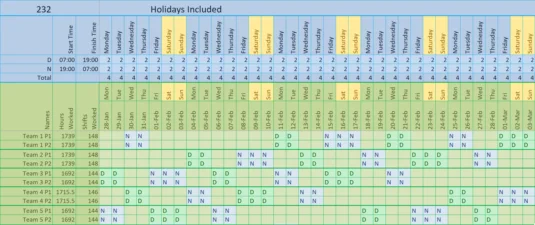
Example 232 Shift Pattern for five teams This shift pattern is in VisualrotaX, software to help you create and manage staff schedules
When you design work around people, everyone benefits:
the organisation, the workforce, and the communities they support.
Recommended Reading
If you’d like to explore more about how we design fair, efficient, fatigue‑aware shift systems, these pages offer a deeper look into our methods, tools, and practical guidance.
These resources will help you explore the principles behind our work and how they can support your organisation as you plan, review, or redesign your shift systems.
And when you’re ready to take the next step, we’d be delighted to support you.
Email: alec@visualrota.co.uk
Learn how we translate real‑world workload into sustainable patterns in our Creating Shifts guide
See how organisations model staffing and test scenarios using VisualrotaX
Understand how flexibility and fairness work in practice in our Banked Hours explainer
Find clear answers to the questions we’re asked most often on our FAQs page