Shift‑pattern migration is one of the most complex operational changes an organisation can make. Our Migration Framework provides a clear, fair and data‑driven pathway to move teams from one rota structure to another with confidence. We support every individual through the transition, ensuring fairness, clarity and minimal disruption, while protecting operational performance and wellbeing. This page explains each stage of the migration process and how we help organisations translate change into practical, easy‑to‑follow plans for their teams.
Migration Planning
Shift‑pattern migration planning ensures organisations move from one rota structure to another without disruption, loss of coverage, or employee dissatisfaction.
Introducing a new shift pattern is one thing; moving people into it smoothly is another.
We manage the transition from old to new, balancing operational requirements with the realities of people’s lives. Our approach minimises disruption, reduces stress for all parties, and ensures the new operation launches cleanly and confidently.
We manage the transition from old to new, balancing operational requirements with the realities of people’s lives. Our approach minimises disruption, reduces stress for all parties, and ensures the new operation launches cleanly and confidently.
Migration Planning: A Human‑Centred Approach to Operational Change
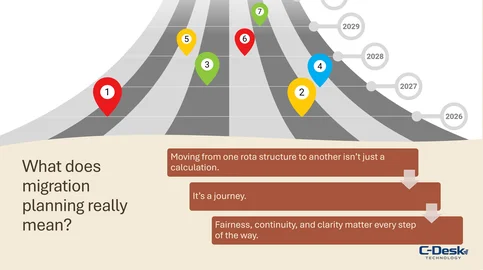
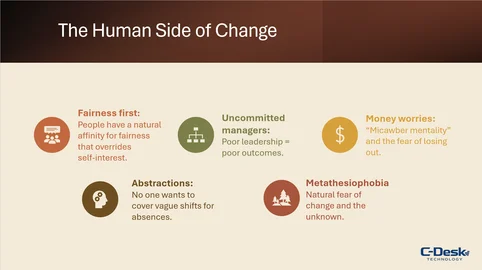
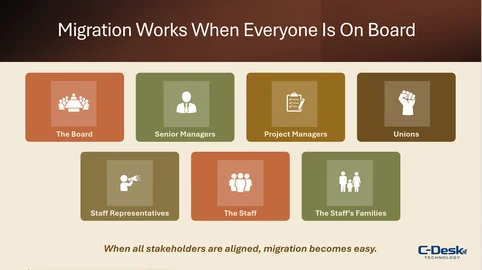
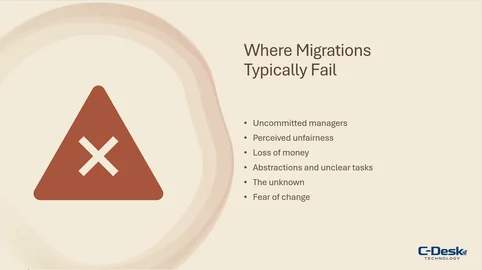
Change is rarely simple. For most people, it brings uncertainty about how it will affect their routines, their responsibilities, and their families. That’s why a well‑designed migration plan is essential. Moving employees from one shift pattern to another is never just a scheduling exercise — it’s a transition that touches people’s lives.
Our methodology is built on the principle that operational efficiency and human wellbeing must move together. A shift pattern may look perfect on paper, but if the transition is mishandled, the impact on morale, attendance, and retention can be significant. A structured migration plan protects both your business continuity and your people.

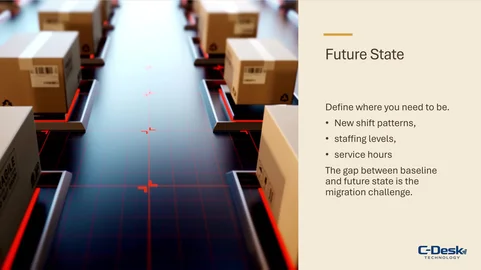
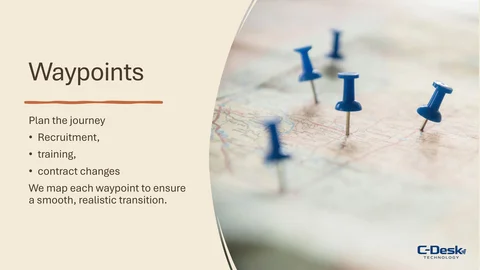
Change With Confidence
Using our skills at Visualrota to create your migration plan means you can move from one rota structure to another with clarity, confidence, and complete organisational support. Our approach protects both the operation and the people within it. Thus ensuring every individual is treated fairly, every concern is addressed, and every step is independently reviewed.
We translate complex organisational change into clear, practical plans your teams can follow. By supporting each person through the transition, we minimise disruption, maintain trust, and safeguard the wellbeing of your workforce.
Our structured, evidence‑based process helps you:
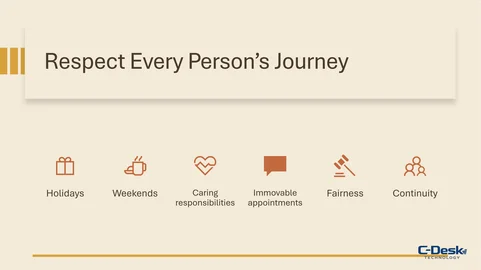
- Support individuals fairly — protecting holidays, weekends, caring responsibilities, and lifestyle patterns
- Provide independent reassurance — every person receives a transparent, unbiased review of how the change affects them
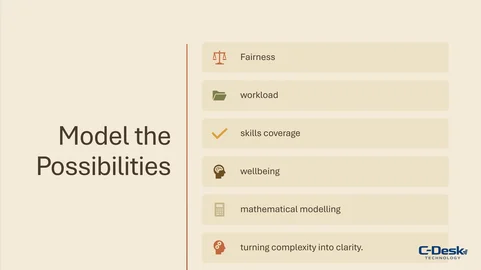
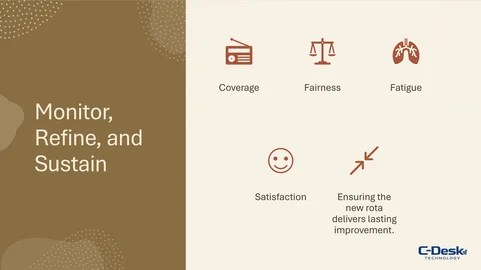
- Mitigate operational impact — modelling ensures coverage, skills, and workload remain stable
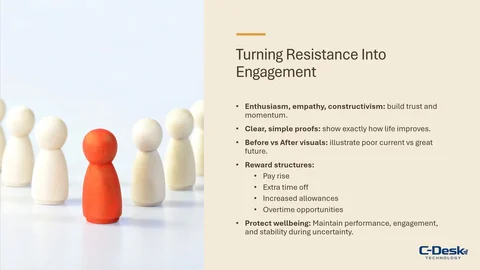
- Maintain performance and engagement — even during periods of uncertainty
- Strengthen wellbeing — by reducing fatigue, fear of change, and ambiguity
- Communicate clearly — so everyone understands the journey from start to finish
With the right migration plan, change doesn’t feel disruptive: it feels organised, fair, and future‑ready.


What Our Migration Process Covers
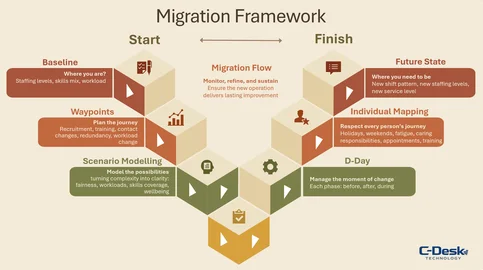
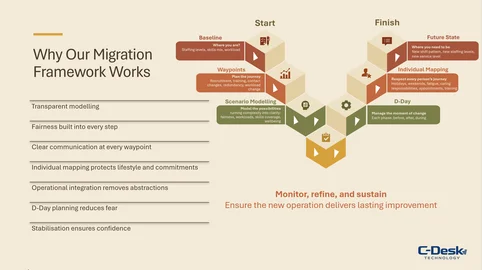
We follow a detailed, evidence‑based protocol to ensure that every individual’s circumstances are respected and every operational requirement is met.
🔹 1. Incorporating all planned holidays
We don’t simply transfer booked leave into a new rota. We analyse the intent behind those days off — the commitments, family arrangements, and personal needs that sit behind the dates. When shift patterns change, people may suddenly be working on days they expected to be off, or vice versa. Our process ensures continuity of their plans wherever possible.
🔹 2. Protecting weekends, caring responsibilities, and family routines
Weekends are often the anchor points of family life. Childcare, shared custody arrangements, elder care, and regular commitments all need careful handling. We map these patterns and ensure the new rota respects them as far as operationally viable.
🔹 3. Managing immovable appointments
Hospital appointments, specialist consultations, and other fixed commitments cannot simply be rearranged. These are captured early and protected throughout the migration.
🔹 4. Accounting for operational realities
A successful migration must also reflect the day‑to‑day running of your business. We incorporate:
- team meetings and briefings
- stock takes and inventory cycles
- ad‑hoc workload peaks
- pre‑agreed shift swaps
- training sessions and compliance requirements
This ensures the new pattern is not only fair but also functional.
🔹 5. Reconciling hours and holidays
We complete full hours reconciliation and holiday reconciliation so that no employee is disadvantaged — or inadvertently over‑allocated — during the transition.

Pricing
Migration planning is priced upon application, as it depends on the number of employees involved and the complexity of the operational environment. We provide a clear, itemised proposal once we understand the scale and scope of the change.
Why This Matters
A shift migration done well reduces stress, builds trust, and supports engagement. Done poorly, it creates anxiety, resistance, and operational disruption. Our approach ensures that the transition is smooth, transparent, and respectful — for both your organisation and your people.

FAQ
Every organisation has different concerns when planning a shift‑pattern change, and many of the most important questions come from the people affected by the transition. Our FAQ section addresses the practical realities of migration — from fairness and holidays to D‑Day and individual circumstances — and explains how our approach protects staff, maintains stability, and ensures the change is managed with confidence and clarity.

A shift‑pattern migration plan is the structured process of moving people as seamlessly as possible from the current operation to the new one. It ensures every individual is treated fairly by incorporating all planned holidays, protecting weekends and caring responsibilities, managing immovable appointments, reflecting the day‑to‑day running of your business, and reconciling hours and holiday balances. The goal is to minimise disruption for staff while maintaining stability and performance across the operation.
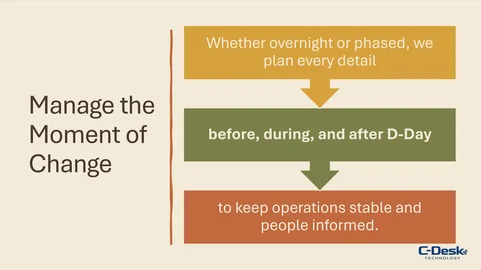
D‑Day is the moment the operation moves from the old pattern to the new one. It may be a single transition point or one of several waystations in a longer migration. Before D‑Day, we ensure every detail is correct — hours worked, holidays taken, entitlements, and individual circumstances. After D‑Day, we verify that each person’s hours and holiday balances accurately reflect what happened before the change. When planned properly, D‑Day passes with minimal disruption, delivering a smooth transition from one state to the next.
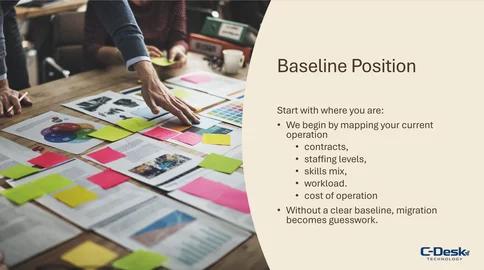
To build an accurate migration plan, we need details about staffing levels, skills mix, holidays, weekend patterns, caring responsibilities, immovable appointments, contract terms, and your demand profile. The more information available at the start, the smoother and more precise the migration becomes.
Holiday protection is built into every migration plan. We ensure all booked holidays are honoured, entitlements are reconciled correctly, and future holiday patterns remain fair. No one loses out because of the change.
A migration plan itself does not reduce anyone’s pay — but the direction of the organisational change sometimes can. If a company is scaling back overtime, restructuring allowances, or creating redundancy, then some individuals may lose income because of those wider decisions, not because of the migration process.
Our role is to protect each person as much as possible. We ensure staff do not lose out unfairly by reconciling hours and holiday entitlement correctly, maintaining balance across teams, and modelling the impact of the change on every individual. The aim is to make the transition as fair and predictable as possible, so people can move into the new operation with confidence.
Our role is to protect each person as much as possible. We ensure staff do not lose out unfairly by reconciling hours and holiday entitlement correctly, maintaining balance across teams, and modelling the impact of the change on every individual. The aim is to make the transition as fair and predictable as possible, so people can move into the new operation with confidence.
Yes. Migration planning is designed to run alongside your normal operation. Our modelling ensures coverage, skills, and workload remain stable, so the business continues without disruption.
This is an important part of the process.
If an individual cannot move to the new pattern due to caring responsibilities, medical needs, or contractual constraints, we work with you to find a fair and practical solution. Our independent review process ensures every case is handled consistently and respectfully.
If an individual cannot move to the new pattern due to caring responsibilities, medical needs, or contractual constraints, we work with you to find a fair and practical solution. Our independent review process ensures every case is handled consistently and respectfully.
Where to Go Next on Your Change Journey
A successful migration plan is only one part of creating a fair, stable and future‑ready operation. Once you understand how your teams will move from one pattern to another, the next step is strengthening the foundations around that change. Many organisations begin by exploring how to Create a Shift Pattern that matches your demand profile and supports wellbeing year‑round.
As your new pattern takes shape, our Absence Management guidance helps you maintain stability and protect coverage, while our overview of the Five Most Common Shift Patterns gives you clarity on the structures used across industry.
If you would like help reviewing your current operation through our Business Health Check, a full diagnostic of staffing levels, workload, holidays and fairness. Finally, our Policy Framework ensures your change is supported by clear, fair and legally robust rules, giving managers and staff confidence as they move into the new rota.
Together, these resources form a complete pathway: from understanding your operation, to designing the right pattern, to managing absence, to embedding fair policies. Each step helps you manage change with confidence, clarity and care.
Why Choose Us
Shift‑pattern migration is one of the most sensitive changes an organisation can make and it’s never just about numbers. It’s about people, families, wellbeing, fairness, and the day‑to‑day reality of running your operation. With over 1,000 successful migration projects, we bring the experience, modelling expertise and human understanding needed to make change smooth, predictable and genuinely fair.
We provide independent reassurance for every individual, protect holidays and lifestyle commitments, reconcile hours and entitlements accurately, and translate complex organisational change into clear, practical plans your teams can follow. Our approach maintains performance, engagement and wellbeing throughout uncertainty, giving managers and staff confidence at every stage of the journey.
When you choose C-Desk Technology, you choose clarity, fairness and a migration process designed around real people, not just spreadsheets.
Ready to Plan Your Migration?
If you’re preparing for a shift‑pattern change, we can help you build a migration plan that protects your operation and supports your staff. Whether you’re exploring new patterns, increasing production, or restructuring your workforce, we’ll guide you through every step with clarity and confidence.
Start your migration journey today and get in touch to discuss your operation and see how we can help.
email: alec@visualrota.co.uk